

Define the place you want to give music
Wanting to study music does not necessarily mean wanting to become a solo performer. You may want to compose, understand works, develop ensemble practice, work on sound or prepare an educational activity. Write three situations in which you would like to use your skills: playing in an ensemble, creating a soundtrack, analysing repertoire or leading a group project. These situations are a starting point for researching programs.
Also observe your relationship with everyday work. Do you enjoy repeating a passage, listening to several versions of a work, reading a score or experimenting with a recording? Music training includes less visible work than the final concert. The choice becomes more realistic when this routine interests you as much as stage moments. You need not master everything; above all, know which skills you want to build and which require upgrading.
Distinguish musical and university requirements
Consult academic, language and artistic conditions separately. For example, McGill presents an admission pathway including application preparation and an audition, with program-specific stages. These arrangements do not establish another faculty's requirements. Dates, repertoire, any preliminary recordings and documents need checking for the intended year and direction.
Make a sheet for each application. Record the qualification sought, instrument or speciality, assessments, items to submit and contact for questions. Add practical constraints: access to an accompanist, recording in a quiet room, possible travel and preparation time. An artistic application may be excellent while remaining administratively incomplete. Track receipt of each element instead of assuming payment completed the procedure.
Prepare an audition using actual instructions
Choose repertoire after reading instructions. An impressive but insufficiently secure piece may show your level less well than a demanding work you understand and master. Ask your current teacher for advice on the complete program: contrasts, duration, stamina, transitions and recovering after an error. Then establish a calendar allowing complete run-throughs, rather than only work on isolated passages.
Organise several simulations under conditions close to those planned. Announce pieces, adjust your setup and play without stopping for every imperfection. Then listen to the recording with a precise objective: tempo stability, clarity of musical lines or sound balance. Avoid correcting everything at once. Choose two priorities for the next session. This method makes preparation observable and prevents confusing a difficult day with a lack of progression.
If a recording is requested, follow editing, framing and sound quality rules. Do not apply corrections that could present a performance different from the one given. Keep original files and test links. For a composition application, specify your role, performers and tools used. The aim is honest assessment of your work, rather than artificially producing a perfect performance.
Look at teaching beyond the professor's name
A professor may play an important role in development, but your experience also depends on courses, ensembles, rooms and departmental operations. Ask how individual lessons, rehearsals and theoretical teaching are distributed. Check how ensemble places are allocated and which projects are actually accessible at your level. An advertised partnership does not imply guaranteed participation for everyone.
To compare two programs, build a fictional week. Place required courses, personal work, rehearsals and travel. Add time for listening, reading and recovery. This simulation helps recognise a suitable workload and ask about schedule conflicts. It also prevents choosing housing solely by rent without considering access to practice rooms early in the morning or in the evening.
Plan the instrument, maintenance and practice spaces
Your budget may include rental or purchase, maintenance, consumables, scores, software, accompaniment and transport. Confirm what the institution provides and under which conditions. For a loaned instrument, ask about duration, responsibilities and use during holidays. For a personal instrument, consult the carrier's transport conditions and your insurance coverage; simply having a policy does not mean every journey is covered.
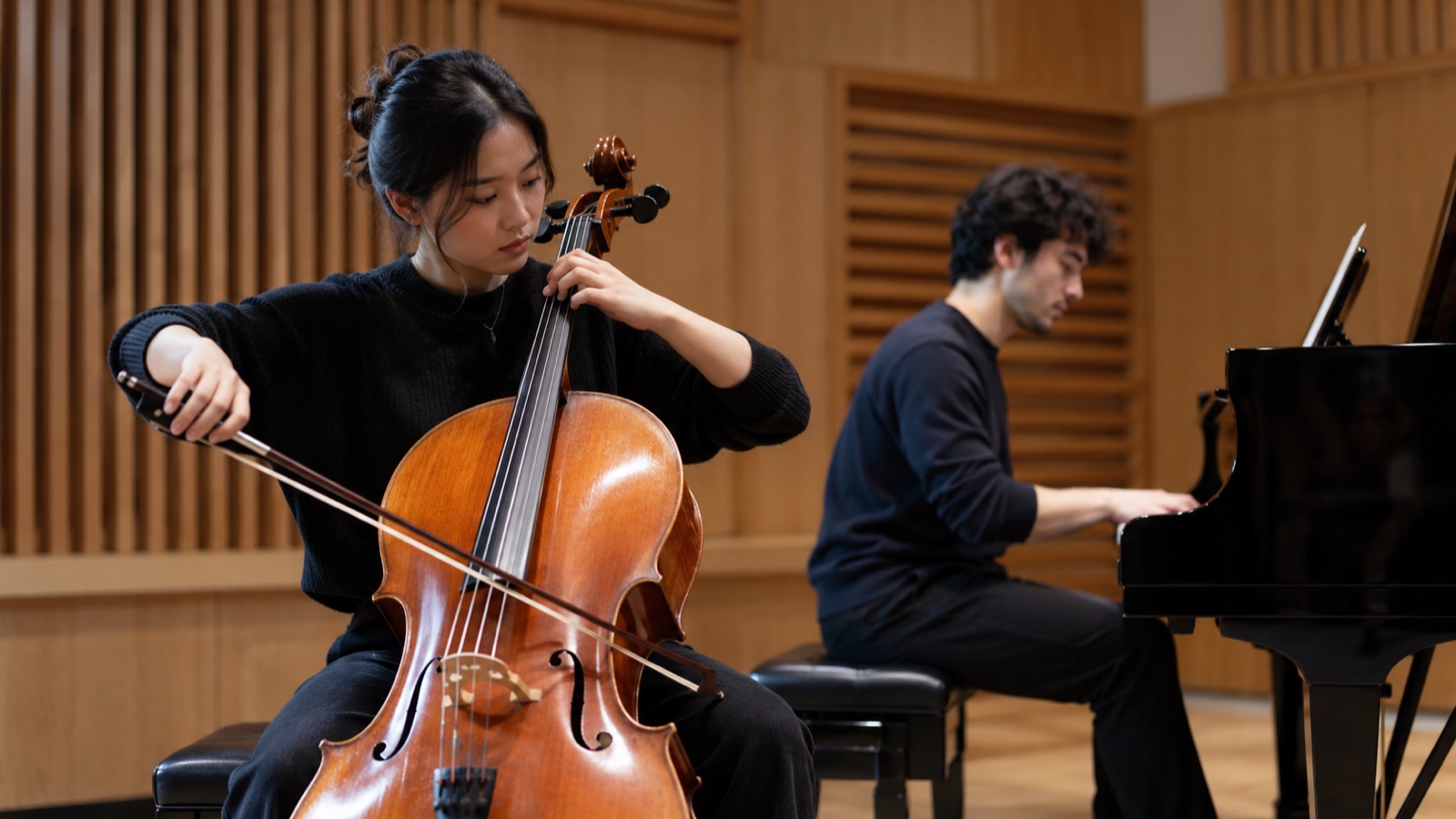
Take a fictional example: a cellist hesitates between two homes. The first is cheaper but requires several connections to reach practice rooms; the second offers a short journey. She compares total cost, time travelling with the instrument and transport access after rehearsals. She also checks each home's noise rules. This calculation gives no universal answer, but reveals constraints the housing advertisement alone did not show.
Develop a manageable working routine with teachers. A persistent physical difficulty is not resolved by automatically increasing practice hours; seek appropriate advice from the relevant services. Also retain time for listening and mental work on the score. Your calendar needs to serve long-term learning rather than produce intense weeks followed by fatigue disrupting the entire semester.
Build useful experiences and records
A concert, arrangement or research project benefits from proper documentation. Keep the program, date, people involved, your contribution and dissemination permissions. Select a few clear excerpts instead of accumulating unorganised video hours. You can then prepare another audition, explain a project or respond to a collaboration request without reconstructing your history each time.
Also develop the ability to work with other musicians. Arriving prepared, communicating a difficulty early enough, respecting rehearsals and giving precise feedback are concrete skills. In a group project, clarify artistic decisions and organisational tasks. A small production completed may teach more about your direction than a long list of activities started then abandoned.
Plan a review at each project's end: what worked, what you would do differently and which skill to work on next. Also ask partners for feedback. This review turns simple participation into documented learning and supplies precise examples for future applications or professional meetings.
Connect training with several professional scenarios
Career opportunities need studying as pathways, rather than titles promised by a qualification. Performance, teaching, production or research may require different experiences and qualifications. If considering teaching in a school system, check the appropriate authority's requirements: music training must not automatically be equated with authorisation to teach. For returning to your country, also examine qualification recognition and local expectations.
Before accepting an offer, write one page with your main objective, two alternatives and shared skills. For example, composition for screen and sound creation may both require a portfolio, good communication and the ability to follow a calendar. This document will help choose projects during study. You will retain direction without depending on a single career possibility or promised future income.